• BUSINESS
    • FINANCE
    • LEGAL
    • RETAIL & CONSUMER
    • AUTOS & TRANSPORTATION
    • HEALTHCARE & PHARMACEUTICALS
    • MEDIA & TELECOM
    • AEROSPACE AND DEFENSE
    • ENERGY
  • MARKETS
    • EUROPEAN MARKETS
    • ASIAN MARKETS
    • U.S. MARKETS
    • COMMODITIES
    • EMERGING MARKETS
    • DEALS
    • RATES & BONDS
  • WORLD
    • UNITED STATES
    • EUROPE
    • UNITED KINGDOM
    • ASIA PACIFIC
    • MIDDLE EAST
    • AFRICA
    • CHINA
    • INDIA
    • JAPAN
    • AMERICAS
    • FRANCE
    • GERMANY
  • POLITICS
    • GOVERNMENT
    • UNITED STATES
    • US SUPREME COURT
  • TECH
    • ARTIFICIAL INTELLIGENCE
    • CYBERSECURITY
    • SPACE
    • DISRUPTED
  • COMMENTARY
  • BREAKINGVIEWS
    • BREAKINGVIEWS PREDICTIONS
  • MONEY
    • WEALTH
    • FUNDS
    • ETFS
  • LIFE
    • LIFESTYLE
    • SPORTS
    • SCIENCE
  • SECTORS
    • ENERGY
    • HEALTHCARE
    • MEDIA & TELECOM
    • SUSTAINABILITY
    • ENVIRONMENT
    • RETAIL & CONSUMER
    • AUTOS & TRANSPORTATION
    • AEROSPACE AND DEFENSE
FinanceTime
  • August 20th, 2026

FinanceTimeFinancetime

  • BUSINESS
    • FINANCE
    • LEGAL
    • RETAIL & CONSUMER
    • AUTOS & TRANSPORTATION
    • HEALTHCARE & PHARMACEUTICALS
    • MEDIA & TELECOM
    • AEROSPACE AND DEFENSE
    • ENERGY
  • MARKETS
    • EUROPEAN MARKETS
    • ASIAN MARKETS
    • U.S. MARKETS
    • COMMODITIES
    • EMERGING MARKETS
    • DEALS
    • RATES & BONDS
  • WORLD
    • UNITED STATES
    • EUROPE
    • UNITED KINGDOM
    • ASIA PACIFIC
    • MIDDLE EAST
    • AFRICA
    • CHINA
    • INDIA
    • JAPAN
    • AMERICAS
    • FRANCE
    • GERMANY
  • POLITICS
    • GOVERNMENT
    • UNITED STATES
    • US SUPREME COURT
  • TECH
    • ARTIFICIAL INTELLIGENCE
    • CYBERSECURITY
    • SPACE
    • DISRUPTED
  • COMMENTARY
  • BREAKINGVIEWS
    • BREAKINGVIEWS PREDICTIONS
  • MONEY
    • WEALTH
    • FUNDS
    • ETFS
  • LIFE
    • LIFESTYLE
    • SPORTS
    • SCIENCE
  • SECTORS
    • ENERGY
    • HEALTHCARE
    • MEDIA & TELECOM
    • SUSTAINABILITY
    • ENVIRONMENT
    • RETAIL & CONSUMER
    • AUTOS & TRANSPORTATION
    • AEROSPACE AND DEFENSE
Supporters of India's ruling Bharatiya Janata Party (BJP) carry a hoarding of Indian Prime Minister Narendra Modi and Union Minister of Home Affairs Amit Shah for celebrations after winning three out of four states in key regional polls outside the party headquarters in Ahmedabad, India, December 3, 2023.REUTERS/Amit Dave/ file photo
A lawyer looks into his mobile phone in front India's Supreme Court in New Delhi, December 11, 2023. REUTERS/Adnan Abidi/file photo
Home
World
India

What were India's electoral bonds and how did they power Modi’s party?

February 16th, 2024 | 12:13 PM WORLD India 4

Facebook Twitter Google+ LinkedIn Pinterest

Worth reading...

Indian central bank deputy urges banks to improve retail foreign exchange services
India's infrastructure output rises 5.4% y/y in July
India bars Niva Bupa from opening branches for six months due to expense breach
India's Swiggy bets on Instamart model shift, mirroring main rival Blinkit; eyes margin boost
By Kripa Jayaram, Krishn Kaushik

India's Supreme Court on Thursday scrapped a seven-year-old election funding system that let individuals and companies make unlimited and anonymous donations to political parties.

The move was seen as a setback for Prime Minister Narendra Modi's Bharatiya Janata Party (BJP), the largest beneficiary of the system, just weeks before national elections.

Modi is widely expected to win a rare third term.

WHAT WERE ELECTORAL BONDS?

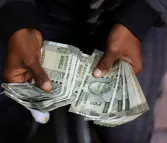
Under a system introduced by Modi's government in 2017, people and corporate groups were allowed to donate unlimited amounts of money to any political party anonymously through financial instruments called 'Electoral Bonds'.

Those Electoral Bonds were gifts - not, as the name might suggest, loans - which donors could buy in set denominations from the government-run State Bank of India (SBI.NS). The donors could then hand them over to any political party which could cash them in at that bank.

The party would know the name of the donor. But it did not have to disclose it to anyone, even the election regulator.

Individuals and companies had bought a total of 165.18 billion rupees ($2 billion) worth of bonds up to Jan. 2024, according to the Association for Democratic Reforms (ADR), a non-government civil society group working on election funding in India.

WHY WERE THEY CONTENTIOUS?

Critics - including the ADR, which challenged the scheme in the Supreme Court, and other civil society groups - focused on the opacity of the system and the unlimited donations from companies it allowed.

They said companies could use the cloak of anonymity to try to influence parties and policy with their donations. The lack of any limit on the size of donations meant there was no limit on the influence that companies could wield.

Criticisms were mostly focused on corporate donations as individuals had been able to give unlimited donations under the previous system, though they had to declare their names for gifts over 20,000 rupees.

Under the previous system, there were restrictions on the size of donations from companies based on their revenue and profits. They also had to declare their names for gifts over 20,000 rupees.

The Election Commission had expressed similar reservations to the government before the system was announced. The government had overruled them.

The Supreme Court said in its ruling on Thursday that the "ability of a company to influence the electoral process through political contributions is much higher when compared to that of an individual ... contributions made by companies are purely business transactions made with the intent of securing benefits in return".

HOW WILL POLITICAL FUNDING NOW WORK IN INDIA?

Parties will still be able to collect donations directly from individuals and companies, within the limitations on value and anonymity mentioned above.

Donors can also still contribute to parties through to entities called 'Electoral Trusts'. Those bodies collate funds and distribute them. The trusts have to name the donors and the parties have to say how much in total they received from these trusts - though the disclosures do not make a direct link between each donor and a party.

As was the situation before electoral bonds, cash will play an outsized role in political funding.

Critics say parties can still break larger donations into smaller chunks of less then 20,000 rupees to mask their donors - and pay for things in cash to circumvent election expenditure limits.

HOW DID ELECTORAL BONDS HELP the BJP?

The BJP received more than half the money funnelled through Electoral Bonds - 65.66 billion rupees or 55% of the 120.1 billion rupees donated from the instruments' launch up to the fiscal year which ended in March 2023, according to the Supreme Court ruling.

These bonds had become the party's main channel for funding. They accounted for more than half the contributions it received over the past five years, apart from the 2020-21 fiscal year that was disrupted by the COVID-19 pandemic, according to the party's audited annual reports.

($1 = 83.0200 Indian rupees)

  • Topic
  • India
  • POLITICS/ELECTION
  • FUNDING (EXPLAINER)
Facebook Twitter Google+ LinkedIn Pinterest
Previous article Indian central bank deputy urges banks to improve retail foreign exchange services

Related Posts

India
August 20th, 2026

Indian central bank deputy urges banks to improve retail foreign exchang...

India
August 20th, 2026

India's infrastructure output rises 5.4% y/y in July

India
August 20th, 2026

India bars Niva Bupa from opening branches for six months due to expense...

India
August 20th, 2026

India's Swiggy bets on Instamart model shift, mirroring main rival Blink...

India
August 20th, 2026

Indian central bank likely intervenes to limit pressure on rupee, trader...

India
August 20th, 2026

India's Aditya Birla Capital to enter gold loan market, targets 1,000 br...

The Wire
Aug 20th 4 h ago
Business

AI productivity gains may not curb inflation, IMF's Tenreyr...

Aug 20th 5 h ago
Aerospace & Defense

Latvia says drone in its airspace on August 14 was Ukrainia...

Aug 20th 5 h ago
India

Indian central bank deputy urges banks to improve retail fo...

Aug 20th 5 h ago
Baseball

Guardians chase elusive home series win in matchup vs. Gian...

Aug 20th 5 h ago
Americas

Brazil to keep fiscal framework, spending restraint under n...

TRENDING ON FINANCETIME
Aug 20th, 2026 Asia Pacific

Bangladesh elects ruling party veteran Alamgir as president

Aug 20th, 2026 Africa

AFRICA-FX-Ghana's currency back under pressure, Uganda's on front foot

Aug 20th, 2026 Soccer

How would a vote of no confidence work to oust FIFA president Infantino?

Aug 20th, 2026 Europe

Romania destroys marine drone near Neptun Deep gas project, minister says

Aug 20th, 2026 Baseball

Sal Stewart, Reds strive for edge in finale of 5-game series vs. Cards

Markets-Sectors
TELECOMMUNICATIONS SERVICES +0.03%

  • BUSINESS
  • MARKETS
  • WORLD
  • POLITICS
  • TECH
  • COMMENTARY
  • BREAKINGVIEWS
  • MONEY
  • LIFE
  • SECTORS
  • Back to top
FinanceTime
FinanceTime

World Business & Financial News, Breaking US & International News

Additional Services
  • Privacy-Policy
  • Terms and Conditions
© Financetime.org 2026. All rights reserved. Hosted by LeadsDeposit.com
Produced by C-iT