• BUSINESS
    • FINANCE
    • LEGAL
    • RETAIL & CONSUMER
    • AUTOS & TRANSPORTATION
    • HEALTHCARE & PHARMACEUTICALS
    • MEDIA & TELECOM
    • AEROSPACE AND DEFENSE
    • ENERGY
  • MARKETS
    • EUROPEAN MARKETS
    • ASIAN MARKETS
    • U.S. MARKETS
    • COMMODITIES
    • EMERGING MARKETS
    • DEALS
    • RATES & BONDS
  • WORLD
    • UNITED STATES
    • EUROPE
    • UNITED KINGDOM
    • ASIA PACIFIC
    • MIDDLE EAST
    • AFRICA
    • CHINA
    • INDIA
    • JAPAN
    • AMERICAS
    • FRANCE
    • GERMANY
  • POLITICS
    • GOVERNMENT
    • UNITED STATES
    • US SUPREME COURT
  • TECH
    • ARTIFICIAL INTELLIGENCE
    • CYBERSECURITY
    • SPACE
    • DISRUPTED
  • COMMENTARY
  • BREAKINGVIEWS
    • BREAKINGVIEWS PREDICTIONS
  • MONEY
    • WEALTH
    • FUNDS
    • ETFS
  • LIFE
    • LIFESTYLE
    • SPORTS
    • SCIENCE
  • SECTORS
    • ENERGY
    • HEALTHCARE
    • MEDIA & TELECOM
    • SUSTAINABILITY
    • ENVIRONMENT
    • RETAIL & CONSUMER
    • AUTOS & TRANSPORTATION
    • AEROSPACE AND DEFENSE
FinanceTime
  • August 22nd, 2026

FinanceTimeFinancetime

  • BUSINESS
    • FINANCE
    • LEGAL
    • RETAIL & CONSUMER
    • AUTOS & TRANSPORTATION
    • HEALTHCARE & PHARMACEUTICALS
    • MEDIA & TELECOM
    • AEROSPACE AND DEFENSE
    • ENERGY
  • MARKETS
    • EUROPEAN MARKETS
    • ASIAN MARKETS
    • U.S. MARKETS
    • COMMODITIES
    • EMERGING MARKETS
    • DEALS
    • RATES & BONDS
  • WORLD
    • UNITED STATES
    • EUROPE
    • UNITED KINGDOM
    • ASIA PACIFIC
    • MIDDLE EAST
    • AFRICA
    • CHINA
    • INDIA
    • JAPAN
    • AMERICAS
    • FRANCE
    • GERMANY
  • POLITICS
    • GOVERNMENT
    • UNITED STATES
    • US SUPREME COURT
  • TECH
    • ARTIFICIAL INTELLIGENCE
    • CYBERSECURITY
    • SPACE
    • DISRUPTED
  • COMMENTARY
  • BREAKINGVIEWS
    • BREAKINGVIEWS PREDICTIONS
  • MONEY
    • WEALTH
    • FUNDS
    • ETFS
  • LIFE
    • LIFESTYLE
    • SPORTS
    • SCIENCE
  • SECTORS
    • ENERGY
    • HEALTHCARE
    • MEDIA & TELECOM
    • SUSTAINABILITY
    • ENVIRONMENT
    • RETAIL & CONSUMER
    • AUTOS & TRANSPORTATION
    • AEROSPACE AND DEFENSE
Nvidia CEO Jensen Huang delivers the keynote for the Nvidia GPU Technology Conference (GTC) at the SAP Center in San Jose, California, U.S. March 18, 2025.  Brittany Hosea-Small
Nvidia CEO Jensen Huang delivers the keynote for the Nvidia GPU Technology Conference (GTC) at the SAP Center in San Jose, California, U.S. March 18, 2025. Brittany Hosea-Small
Home
Tech
Technology

Nvidia CEO says power-saving optical chip tech will need to wait for wider use

March 19th, 2025 | 03:31 AM TECH Technology 4

Facebook Twitter Google+ LinkedIn Pinterest

Worth reading...

Nvidia invests in data center developer Cloverleaf Infrastructure
Apollo Global reveals data breach after hackers target financial firms
ACE Robotics chairman says robot brains will have 'ChatGPT moment' by end of 2027
Broadcom seeks more than $60 billion in latest AI debt deal, Bloomberg News reports
By Stephen Nellis

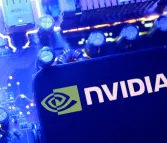
A promising new chip technology that aims to cut energy usage is not yet reliable enough for use in Nvidia's flagship graphics processing units (GPUs), Nvidia's CEO Jensen Huang said Tuesday.

Co-packaged optics, as the emerging technology is called, uses beams of laser light to send information on fiber optic cables between chips, making connections faster and with superior energy efficiency to those through traditional copper cables.

During a keynote address to Nvidia's (NVDA.O) annual developer conference at a packed hockey stadium in San Jose, California on Tuesday, Huang said his company would use the co-packaged optical technology in two new networking chips that sit in switches on top of its servers, saying the technology would make the chips three and a half times more energy efficient than their predecessors.

The switch chips will come out later this year and into 2026 in a small but significant step toward advancing the technology.

But Huang told a group of journalists after his speech that while Nvidia examined using it more widely in its flagship GPU chips it had no current plans to do so, because traditional copper connections were "orders of magnitude" more reliable than today's co-packaged optical connections.

"That's not worth it," Huang said of using optical connections directly between GPUs. "We keep playing with that equation. Copper is far better."

Huang said that he was focused on providing a reliable product roadmap that Nvidia's customers, such as OpenAI and Oracle (ORCL.N) , could prepare for.

"In a couple years, several hundred billion dollars of AI infrastructure is going to get laid down, and so you've got the budget approved. You got the power approved. You got the land built," Huang said. "What are you willing to scale up to several hundred billion dollars right now?"

Silicon Valley entrepreneurs and investors have pinned their hopes on the optics technology, which they believe will be central to building ever-larger computers for AI systems, which Huang said on Tuesday would still be necessary even after advances by companies like DeepSeek because AI systems would need more computing power to think through their answers.

Startups such as Ayar Labs, Lightmatter and Celestial AI have raised hundreds of millions of dollars in venture capital - some of it from Nvidia itself - to try and put co-packaged optical connections directly onto AI chips. Lightmatter and Celestial AI are both targeting public offerings.

Copper connections are cheap and fast, but can only carry data a few meters at most. While that might seem trivial, it has had a huge impact on Nvidia's product lineup over the past half decade.

Nvidia's current flagship product contains 72 of its chips in a single server, consuming 120 kilowatts of electricity and generating so much heat that it requires a liquid cooling system similar to that of a car engine. The flagship server unveiled on Tuesday for release in 2027 will pack hundreds of its Vera Rubin Ultra Chips into a single rack and will consume 600 kilowatts of power.

Cramming more than double the number of chips into the same space over two years will require massive feats of engineering from Nvidia and its partners. Those feats are driven by the fact that AI computing work requires moving a lot of data back and forth between chips, and Nvidia is trying to keep as many chips as it can within the relatively short reach of copper connections.

Mark Wade, the CEO of Ayar Labs, which has received venture backing from Nvidia, said the chip industry was still navigating how to manufacture co-packaged optics at lower costs and with higher reliability. While the transition may not come until 2028 or beyond, Wade said, the chip industry will have little choice but to ditch copper if it wants to keep building bigger and bigger servers.

"Just look at the power consumption going up and up on racks with electrical connections," Wade told Reuters in an interview on the sidelines of Nvidia's conference. "Optics is the only technology that gets you off of that train."

  • Topic
  • NVIDIA
  • OPTICS/ (PIX)
Facebook Twitter Google+ LinkedIn Pinterest
Previous article Nvidia invests in data center developer Cloverleaf Infrastructure

Related Posts

Technology
August 21st, 2026

Nvidia invests in data center developer Cloverleaf Infrastructure

Technology
August 21st, 2026

Apollo Global reveals data breach after hackers target financial firms

Technology
August 21st, 2026

ACE Robotics chairman says robot brains will have 'ChatGPT moment' by en...

Technology
August 20th, 2026

Broadcom seeks more than $60 billion in latest AI debt deal, Bloomberg N...

Technology
August 20th, 2026

Ant Group quarterly profits rise 1% on year

Technology
August 20th, 2026

China puts robocops on traffic duty, minus the arrest powers

The Wire
Aug 21st 23 h ago
Government

Trump administration moves to end attorney group's law scho...

Aug 21st 23 h ago
Africa

First migrants buried in Spain's Ceuta after deadly border ...

Aug 21st 1 day ago
Americas

Lula, Trump discuss tariffs in phone call, Brazil says

Aug 21st 1 day ago
World

US plans $725 million payment towards its large UN debt

Aug 21st 1 day ago
Middle East

NATO members discuss Strait of Hormuz options without allia...

TRENDING ON FINANCETIME
Aug 21st, 2026 Americas

Mexican governor accused by US of cartel ties returns to office

Aug 21st, 2026 Middle East

Turkey to seek Interpol notice for Netanyahu in Gaza flotilla case

Aug 21st, 2026 Litigation

Explainer: Why is Trump talking about the Keystone XL oil pipeline?

Aug 21st, 2026 Wealth

Guggenheim fund hits 17-year low after short-seller claims

Aug 21st, 2026 Wealth

Ken Griffin's Citadel sheds over $4 billion of Situational Awareness' bets

Markets-Sectors
ENERGY -0.20%
FINANCIALS +0.93%
TECHNOLOGY +0.14%

  • BUSINESS
  • MARKETS
  • WORLD
  • POLITICS
  • TECH
  • COMMENTARY
  • BREAKINGVIEWS
  • MONEY
  • LIFE
  • SECTORS
  • Back to top
FinanceTime
FinanceTime

World Business & Financial News, Breaking US & International News

Additional Services
  • Privacy-Policy
  • Terms and Conditions
© Financetime.org 2026. All rights reserved. Hosted by LeadsDeposit.com
Produced by C-iT