• BUSINESS
    • FINANCE
    • LEGAL
    • RETAIL & CONSUMER
    • AUTOS & TRANSPORTATION
    • HEALTHCARE & PHARMACEUTICALS
    • MEDIA & TELECOM
    • AEROSPACE AND DEFENSE
    • ENERGY
  • MARKETS
    • EUROPEAN MARKETS
    • ASIAN MARKETS
    • U.S. MARKETS
    • COMMODITIES
    • EMERGING MARKETS
    • DEALS
    • RATES & BONDS
  • WORLD
    • UNITED STATES
    • EUROPE
    • UNITED KINGDOM
    • ASIA PACIFIC
    • MIDDLE EAST
    • AFRICA
    • CHINA
    • INDIA
    • JAPAN
    • AMERICAS
    • FRANCE
    • GERMANY
  • POLITICS
    • GOVERNMENT
    • UNITED STATES
    • US SUPREME COURT
  • TECH
    • ARTIFICIAL INTELLIGENCE
    • CYBERSECURITY
    • SPACE
    • DISRUPTED
  • COMMENTARY
  • BREAKINGVIEWS
    • BREAKINGVIEWS PREDICTIONS
  • MONEY
    • WEALTH
    • FUNDS
    • ETFS
  • LIFE
    • LIFESTYLE
    • SPORTS
    • SCIENCE
  • SECTORS
    • ENERGY
    • HEALTHCARE
    • MEDIA & TELECOM
    • SUSTAINABILITY
    • ENVIRONMENT
    • RETAIL & CONSUMER
    • AUTOS & TRANSPORTATION
    • AEROSPACE AND DEFENSE
FinanceTime
  • August 22nd, 2026

FinanceTimeFinancetime

  • BUSINESS
    • FINANCE
    • LEGAL
    • RETAIL & CONSUMER
    • AUTOS & TRANSPORTATION
    • HEALTHCARE & PHARMACEUTICALS
    • MEDIA & TELECOM
    • AEROSPACE AND DEFENSE
    • ENERGY
  • MARKETS
    • EUROPEAN MARKETS
    • ASIAN MARKETS
    • U.S. MARKETS
    • COMMODITIES
    • EMERGING MARKETS
    • DEALS
    • RATES & BONDS
  • WORLD
    • UNITED STATES
    • EUROPE
    • UNITED KINGDOM
    • ASIA PACIFIC
    • MIDDLE EAST
    • AFRICA
    • CHINA
    • INDIA
    • JAPAN
    • AMERICAS
    • FRANCE
    • GERMANY
  • POLITICS
    • GOVERNMENT
    • UNITED STATES
    • US SUPREME COURT
  • TECH
    • ARTIFICIAL INTELLIGENCE
    • CYBERSECURITY
    • SPACE
    • DISRUPTED
  • COMMENTARY
  • BREAKINGVIEWS
    • BREAKINGVIEWS PREDICTIONS
  • MONEY
    • WEALTH
    • FUNDS
    • ETFS
  • LIFE
    • LIFESTYLE
    • SPORTS
    • SCIENCE
  • SECTORS
    • ENERGY
    • HEALTHCARE
    • MEDIA & TELECOM
    • SUSTAINABILITY
    • ENVIRONMENT
    • RETAIL & CONSUMER
    • AUTOS & TRANSPORTATION
    • AEROSPACE AND DEFENSE
A container ship sails along Nakhodka Bay near the oil terminal in the port city of Nakhodka, Russia August 12, 2022. Tatiana Meel/File photo
Home
Markets
Commodities

What is Russia's 'shadow fleet' of oil tankers?

May 15th, 2025 | 16:02 PM MARKETS Commodities 4

Facebook Twitter Google+ LinkedIn Pinterest

Worth reading...

Greek crews fight wildfire northwest of Athens for fourth day
Dangote refinery can be global jet fuel supplier, CEO says
Asia's imports of US crude surge, but can't offset Hormuz losses
US gasoline market set for fresh test after near-record stock draws
By Anne Kauranen, Jesus Calero, Agnieszka Olenska

Western sanctions imposed on Russia for invading Ukraine and aimed at cutting its oil revenues have led to the rise of a vast "shadow fleet" of tankers helping Moscow keep its crude exports flowing.

Here are some key points about these unregulated vessels.

WHY IS THIS FLEET IN THE NEWS?

Estonia on Tuesday tried to stop an oil tanker, which the UK sanctioned last week, for sailing without a flag against maritime rules, in international waters between Estonia and Finland in the Baltic Sea, prompting Moscow to send a fighter jet to circle around it.

The UK ordered fresh sanctions last week against up to 100 oil tankers that form "a core part of (Russian President Vladimir) Putin's shadow fleet operation", it said, while the EU Commission made a similar proposal against 100 vessels, on top of 153 it had sanctioned previously.

The U.S. has also imposed multiple rounds of sanctions against the tankers that transport Russian oil.

AGEING VESSELS

There are hundreds of ageing tankers in the so-called shadow fleet, which transport Russian oil.

The vessels typically have opaque ownership structures and sail without top-tier Western insurance or safety certification cover, and they often have unknown insurers or assessors of vessel seaworthiness - both required for ocean-going commercial ships, shipping and insurance industry sources familiar with the matter have said.

Many of these tankers sail across the Baltic Sea and move oil through the Gulf of Finland, a critical route for Russia's energy exports.

NATO and EU regulators say they are monitoring the fleet as new sanctions target vessels already blacklisted for skirting price caps or aiding Moscow's war effort in Ukraine.

A dozen Western countries - Britain, Germany, Poland, the Netherlands, five Nordic nations and the three Baltic states - agreed in December to "disrupt and deter" Russia's shadow fleet in response to several unexplained cable cuts and undersea incidents around critical infrastructure in the Baltic Sea.

Britain, Denmark, Sweden, Poland, Finland and Estonia say they are inspecting vessel insurance documents in the Channel, the Danish Straits, the Gulf of Finland, and the strait between Sweden and Denmark.

HOW DOES THE SHADOW FLEET OPERATE?

The shadow fleet uses tactics like ship-to-ship transfers in international waters, where monitoring from port control authorities is weaker, and falsification, including fake ship identification numbers, spoofed location data, and using flag countries with lower oversight, Lloyd's List Intelligence and Finland's Coast Guard have said.

Additionally, most of the tankers are owned by shell companies in jurisdictions such as Dubai, with rapid buying and selling by anonymous or newly formed firms, further complicating accountability.

The fleet consists mostly of outdated tankers relying on non-Western or even fake insurance, according to Norwegian authorities, raising concerns about maintenance, environmental risks and safety standards.

WHO'S CASHING IN AND WHAT'S BEING DONE?

Russia is the primary beneficiary, maintaining oil exports despite Western sanctions, ensuring steady revenue for its war in Ukraine, the UK and France have said.

China and India, now the largest buyers of Russian crude, benefit from steep discounts, often purchasing oil well below the Western-imposed $60 per barrel price cap, according to shipping and port loading data.

If ships use Western services such as insurance, financing or ports, they must prove compliance with this limit. But monitoring compliance is challenging.

Some tankers have lost coverage after suspected sanctions violations, but many continue operating with alternative insurers or jurisdictions willing to take the risk.

New vessels frequently replace those that are blacklisted, and the shadow fleet continues to grow.

More Russian insurers are emerging to provide alternative cover for Russian oil shipments, documents show.

It is unclear how a claims payout for any oil spill would work given there are also banking sanctions, Western insurance sources say.

Rising global oil prices have allowed Russia to offset the effects of the price cap, and the shadow fleet continues to operate with minimal disruption.

WHAT ARE THE RISKS?

The shadow fleet may pose environmental risks, with poorly regulated, ageing tankers prone to spills, mechanical failures, and leaks, threatening marine ecosystems.

Last December, Russian authorities worked to contain oil spilled in the Kerch Strait from two 50-year-old tankers that were damaged during a heavy weekend storm.
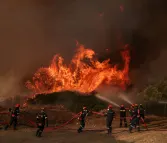
The spill could become one of the largest environmental disasters to affect the region in recent years, although the scale of possible insurance claims was not immediately clear.

  • Topic
  • Estonia
  • WARSHIP/SHADOW
  • FLEET (EXPLAINER)
Facebook Twitter Google+ LinkedIn Pinterest
Previous article Greek crews fight wildfire northwest of Athens for fourth day

Related Posts

Commodities
August 3rd, 2026

Greek crews fight wildfire northwest of Athens for fourth day

Commodities
June 2nd, 2026

Dangote refinery can be global jet fuel supplier, CEO says

Commodities
June 2nd, 2026

Asia's imports of US crude surge, but can't offset Hormuz losses

Commodities
June 1st, 2026

US gasoline market set for fresh test after near-record stock draws

Commodities
June 1st, 2026

China's crude oil imports slump, but it's economics not altruism

Commodities
May 29th, 2026

Mapping the Market: Gold approaches potential crossroads 

The Wire
Aug 21st 1 day ago
Government

Trump administration moves to end attorney group's law scho...

Aug 21st 1 day ago
Africa

First migrants buried in Spain's Ceuta after deadly border ...

Aug 21st 1 day ago
Americas

Lula, Trump discuss tariffs in phone call, Brazil says

Aug 21st 1 day ago
World

US plans $725 million payment towards its large UN debt

Aug 21st 1 day ago
Middle East

NATO members discuss Strait of Hormuz options without allia...

TRENDING ON FINANCETIME
Aug 21st, 2026 Americas

Mexican governor accused by US of cartel ties returns to office

Aug 21st, 2026 Middle East

Turkey to seek Interpol notice for Netanyahu in Gaza flotilla case

Aug 21st, 2026 Litigation

Explainer: Why is Trump talking about the Keystone XL oil pipeline?

Aug 21st, 2026 Wealth

Guggenheim fund hits 17-year low after short-seller claims

Aug 21st, 2026 Wealth

Ken Griffin's Citadel sheds over $4 billion of Situational Awareness' bets


  • BUSINESS
  • MARKETS
  • WORLD
  • POLITICS
  • TECH
  • COMMENTARY
  • BREAKINGVIEWS
  • MONEY
  • LIFE
  • SECTORS
  • Back to top
FinanceTime
FinanceTime

World Business & Financial News, Breaking US & International News

Additional Services
  • Privacy-Policy
  • Terms and Conditions
© Financetime.org 2026. All rights reserved. Hosted by LeadsDeposit.com
Produced by C-iT