

• BUSINESS
    • FINANCE
    • LEGAL
    • RETAIL & CONSUMER
    • AUTOS & TRANSPORTATION
    • HEALTHCARE & PHARMACEUTICALS
    • MEDIA & TELECOM
    • AEROSPACE AND DEFENSE
    • ENERGY
  • MARKETS
    • EUROPEAN MARKETS
    • ASIAN MARKETS
    • U.S. MARKETS
    • COMMODITIES
    • EMERGING MARKETS
    • DEALS
    • RATES & BONDS
  • WORLD
    • UNITED STATES
    • EUROPE
    • UNITED KINGDOM
    • ASIA PACIFIC
    • MIDDLE EAST
    • AFRICA
    • CHINA
    • INDIA
    • JAPAN
    • AMERICAS
    • FRANCE
    • GERMANY
  • POLITICS
    • GOVERNMENT
    • UNITED STATES
    • US SUPREME COURT
  • TECH
    • ARTIFICIAL INTELLIGENCE
    • CYBERSECURITY
    • SPACE
    • DISRUPTED
  • COMMENTARY
  • BREAKINGVIEWS
    • BREAKINGVIEWS PREDICTIONS
  • MONEY
    • WEALTH
    • FUNDS
    • ETFS
  • LIFE
    • LIFESTYLE
    • SPORTS
    • SCIENCE
  • SECTORS
    • ENERGY
    • HEALTHCARE
    • MEDIA & TELECOM
    • SUSTAINABILITY
    • ENVIRONMENT
    • RETAIL & CONSUMER
    • AUTOS & TRANSPORTATION
    • AEROSPACE AND DEFENSE
FinanceTime
  • August 20th, 2026

FinanceTimeFinancetime

  • BUSINESS
    • FINANCE
    • LEGAL
    • RETAIL & CONSUMER
    • AUTOS & TRANSPORTATION
    • HEALTHCARE & PHARMACEUTICALS
    • MEDIA & TELECOM
    • AEROSPACE AND DEFENSE
    • ENERGY
  • MARKETS
    • EUROPEAN MARKETS
    • ASIAN MARKETS
    • U.S. MARKETS
    • COMMODITIES
    • EMERGING MARKETS
    • DEALS
    • RATES & BONDS
  • WORLD
    • UNITED STATES
    • EUROPE
    • UNITED KINGDOM
    • ASIA PACIFIC
    • MIDDLE EAST
    • AFRICA
    • CHINA
    • INDIA
    • JAPAN
    • AMERICAS
    • FRANCE
    • GERMANY
  • POLITICS
    • GOVERNMENT
    • UNITED STATES
    • US SUPREME COURT
  • TECH
    • ARTIFICIAL INTELLIGENCE
    • CYBERSECURITY
    • SPACE
    • DISRUPTED
  • COMMENTARY
  • BREAKINGVIEWS
    • BREAKINGVIEWS PREDICTIONS
  • MONEY
    • WEALTH
    • FUNDS
    • ETFS
  • LIFE
    • LIFESTYLE
    • SPORTS
    • SCIENCE
  • SECTORS
    • ENERGY
    • HEALTHCARE
    • MEDIA & TELECOM
    • SUSTAINABILITY
    • ENVIRONMENT
    • RETAIL & CONSUMER
    • AUTOS & TRANSPORTATION
    • AEROSPACE AND DEFENSE
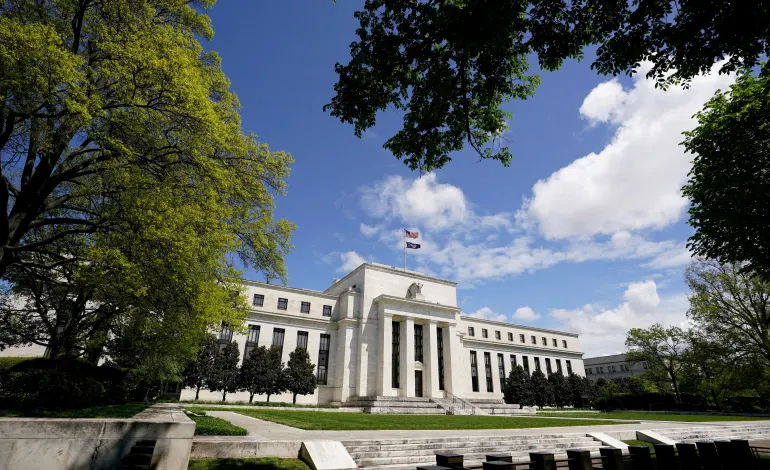
The Federal Reserve building is set against a blue sky in Washington, U.S., May 1, 2020. Kevin Lamarque
Home
Transactional

Treasury's upsized buybacks may complicate Fed's monetary policy work

August 20th, 2026 | 05:01 AM Transactional 5

Facebook Twitter Google+ LinkedIn Pinterest

Worth reading...

China tax crackdown forces wealthy investors to assess their offshore trusts
Boston Fed paper says strong productivity blunted tariff inflation impact
VIEW Yields fall after US Treasury says it will double some bond buybacks
Sheffield United's ex-owners winds up company which bought club
By Ann Saphir, Michael Derby

Federal Reserve Chairman Kevin Warsh has promised that the U.S. central bank will deliver price stability, but Treasury Secretary Scott Bessent's decision on Wednesday to double buybacks of longer-dated U.S. debt may ​complicate any effort to do so.

On Wednesday, the Treasury Department announced that it was doubling the size of its effort to buy back Treasury securities with maturities between 10 ‌and 30 years, to $4 billion per operation. The government announced this as long-dated Treasury borrowing costs have been moving up sharply, negatively impacting credit affordability in the global economy generally.

The Treasury announcement helped bring yields, which move inversely to prices, down in trading that followed the announcement.

Its action has generated questions as to whether the Fed or the Treasury is now the bigger influence on general credit conditions.

"Given Warsh’s desire to say less and [Treasury Secretary Scott] Bessent’s actions today, the ​center of gravity could be moving from the Fed to the Treasury. We’ll have to see if this continues because it would be a big change for traders," said David Russell, ​global head of market strategy at TradeStation.

Since the global financial crisis two decades ago the central bank has used asset buying to calm markets and ⁠to lower long-term borrowing costs. The rise in Treasury bond yields has been jarring to market observers and has raised questions as to whether the situation is extreme enough for the Fed to get ​involved, even as there are lots of questions about the longer-term potency of the new Treasury buyback schedule.

Warsh has long expressed skepticism over using central bank asset buying as a policy tool, and has ​made as a cornerstone goal getting what is now a $6.8 trillion balance sheet lower. But he has also signaled a willingness to work with the Treasury and coordinate where possible, which might make the Fed leader more open to link up with the Treasury despite his broader disdain for large Fed holdings.

How Warsh could act is further complicated by his near blanket refusal to explain what he thinks lies ahead for monetary policy and his unwillingness to provide much ​guidance on how he looks at data to reach policy decisions.

HIGH BAR

Thus far, market participants don’t see a case for Fed involvement.

“The bar for the Fed to step in with market-stabilizing purchases is very ​high at the moment and we would need to see signs of liquidity deteriorating enormously and signs of market dysfunction, which we're simply not seeing,” said Gennadiy Goldberg, Head of U.S. Rates Strategy at TD Securities.

Most importantly, ‌the market is ⁠functioning in a way that the Fed can still manage its interest rate target range, which meeting minutes from the late July Federal Open Market Committee, released Wednesday, affirmed is the central bank’s main tool to achieve its job and inflation mandates.

“I don’t see any impact on the Fed's ability to control short-term interest rates,” said Michael Feroli, chief U.S. economist at J.P. Morgan.

The range of debt targeted by the Treasury increased buyback operation is very influential to real world borrowing costs for things like mortgages and corporate borrowing. Borrowing costs for the long bond hit nearly a two-decade high amid concerns about inflation, ​government borrowing appetites, and as the Treasury faces competition ​from the offerings from companies furiously building ⁠out infrastructure for artificial intelligence.

Presumably Fed asset buying could lower those yields or cap their rise, and it would have more firepower to devote to the matter than the Treasury. But as it would be akin to an easing of monetary policy and that would be hard to square against the Fed’s ​ongoing efforts to lower inflation that still stands well above the 2% target.

Daleep Singh, chief global economist at PGIM, who also served at the ​New York Fed and Treasury ⁠Department, said what the Treasury has done ultimately doesn't change the story driving yields up and while its action is shining a spotlight on a real issue it is doing so "without a credible strategy to solve" the issue.

SHRINKAGE

The size of Fed holdings matters to Warsh because he believes the Fed owns too many bonds and that those holdings distort financial market pricing. He wants the Fed to own fewer bonds but has said ⁠that will take ​time to achieve that given the complexity of the issue.

At the June FOMC meeting he announced a series of task ​forces weighing Fed issues and one of them was devoted to tackling Fed balance sheet issues.

There is broad speculation the Fed may be able to get its holdings smaller by changes in banking rules that would permit banks to hold less emergency ​liquidity, though some fear that could increase financial stability risks and force the Fed to intervene more often in times of stress.

  • Topic
  • USA
  • SHEET
  • FED/BALANCE
Facebook Twitter Google+ LinkedIn Pinterest
Previous article China tax crackdown forces wealthy investors to assess their offshore trusts

Related Posts

Transactional
August 19th, 2026

China tax crackdown forces wealthy investors to assess their offshore tr...

Transactional
August 19th, 2026

Boston Fed paper says strong productivity blunted tariff inflation impac...

Transactional
August 19th, 2026

VIEW Yields fall after US Treasury says it will double some bond buyback...

Transactional
August 19th, 2026

Sheffield United's ex-owners winds up company which bought club

Transactional
August 19th, 2026

UK's Pinewood Technologies​ to go private in $739 million Ridgeview deal

Transactional
August 19th, 2026

SK Hynix plans $28.6 billion buyback after share price declines

The Wire
Aug 20th 1 h ago
Technology

China puts robocops on traffic duty, minus the arrest power...

Aug 20th 2 h ago
Soccer

Japan's Miura, 59, becomes oldest scorer in Emperor's Cup h...

Aug 20th 2 h ago
Environment

A decade after earthquake, Italy's Amatrice struggles to re...

Aug 20th 2 h ago
ROI: Reuters Open Interest

The Iran war energy crisis is just getting started

Aug 20th 2 h ago
Media & Telecom

'Baby Shark' boy returns to stage as a K-pop singer

TRENDING ON FINANCETIME
Aug 20th, 2026 Litigation

SK Hynix to pay 60% of employee bonuses in company stock under preliminary deal, says source

Aug 20th, 2026 Asia Pacific

Outsider who could decide New Zealand's next government wants to tax wealth, not work

Aug 20th, 2026 Business

Aegon raises share buyback plan to 350 million euros

Aug 20th, 2026 Africa

South Africa's Exxaro half-year profit down 20%, cuts dividend

Aug 20th, 2026 Cricket

Australia look for response to 'Darwin Disaster' in second Bangladesh test

Markets-Sectors
BASIC MATERIALS +1.43%
UTILITIES +0.00%

  • BUSINESS
  • MARKETS
  • WORLD
  • POLITICS
  • TECH
  • COMMENTARY
  • BREAKINGVIEWS
  • MONEY
  • LIFE
  • SECTORS
  • Back to top
FinanceTime
FinanceTime

World Business & Financial News, Breaking US & International News

Additional Services
  • Privacy-Policy
  • Terms and Conditions
© Financetime.org 2026. All rights reserved. Hosted by LeadsDeposit.com
Produced by C-iT