Saudi chemicals giant SABIC (2010.SE) on Wednesday reported a sharply narrower second-quarter net loss due mostly to the absence of the previous year's large one-off charges, while revenue fell 18% amid war-related supply-chain disruptions.
SABIC, 70%-owned by state oil giant Aramco, posted a net loss attributable to shareholders of 833 million riyals ($221.91 million) versus 4.07 billion riyals a year earlier.
The improvement mainly reflected a 3.79 billion-riyal drop in losses from discontinued operations, with the year-earlier period including impairment charges and provisions related to the closure of the company's Teesside cracker in Britain.
Revenue fell to 24.81 billion riyals from 30.23 billion riyals as higher average selling prices only partly offset lower volumes. Sales volumes dropped 41% year-on-year, while prices rose 39%.
SABIC also cut its first-half dividend to 3.3 billion riyals from 4.5 billion riyals a year earlier, saying the decision preserved financial flexibility while maintaining shareholder distributions.
WAR DISRUPTS SUPPLY CHAINS
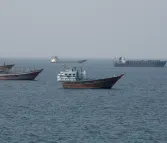
The results reflected regional conflict as the U.S.-Iran war disrupted shipping through the Strait of Hormuz, which raised energy and product prices while hampering shipments from SABIC’s production base in eastern Saudi Arabia.
SABIC cited the closure of the strait, disruption at key energy facilities and higher global energy prices among the quarter’s main challenges.
It increased polymer shipments from eastern to western Saudi Arabia by 150%, and used the new Red Sea Express container service to maintain deliveries.
"While the current market environment continues to be challenging, our strong balance sheet and disciplined approach to capital allocation enable us to remain resilient," CEO Faisal Alfaqeer said.
Free cash flow was negative 1.4 billion riyals, against positive 870 million riyals a year earlier and negative 270 million riyals in the first quarter, due to higher working capital.
It maintained full-year capital investment guidance of $3.5 billion to $4 billion. Its joint-venture petrochemical complex in Fujian is expected to start operations in the fourth quarter.
($1 = 3.7538 riyals)