• BUSINESS
    • FINANCE
    • LEGAL
    • RETAIL & CONSUMER
    • AUTOS & TRANSPORTATION
    • HEALTHCARE & PHARMACEUTICALS
    • MEDIA & TELECOM
    • AEROSPACE AND DEFENSE
    • ENERGY
  • MARKETS
    • EUROPEAN MARKETS
    • ASIAN MARKETS
    • U.S. MARKETS
    • COMMODITIES
    • EMERGING MARKETS
    • DEALS
    • RATES & BONDS
  • WORLD
    • UNITED STATES
    • EUROPE
    • UNITED KINGDOM
    • ASIA PACIFIC
    • MIDDLE EAST
    • AFRICA
    • CHINA
    • INDIA
    • JAPAN
    • AMERICAS
    • FRANCE
    • GERMANY
  • POLITICS
    • GOVERNMENT
    • UNITED STATES
    • US SUPREME COURT
  • TECH
    • ARTIFICIAL INTELLIGENCE
    • CYBERSECURITY
    • SPACE
    • DISRUPTED
  • COMMENTARY
  • BREAKINGVIEWS
    • BREAKINGVIEWS PREDICTIONS
  • MONEY
    • WEALTH
    • FUNDS
    • ETFS
  • LIFE
    • LIFESTYLE
    • SPORTS
    • SCIENCE
  • SECTORS
    • ENERGY
    • HEALTHCARE
    • MEDIA & TELECOM
    • SUSTAINABILITY
    • ENVIRONMENT
    • RETAIL & CONSUMER
    • AUTOS & TRANSPORTATION
    • AEROSPACE AND DEFENSE
FinanceTime
  • August 22nd, 2026

FinanceTimeFinancetime

  • BUSINESS
    • FINANCE
    • LEGAL
    • RETAIL & CONSUMER
    • AUTOS & TRANSPORTATION
    • HEALTHCARE & PHARMACEUTICALS
    • MEDIA & TELECOM
    • AEROSPACE AND DEFENSE
    • ENERGY
  • MARKETS
    • EUROPEAN MARKETS
    • ASIAN MARKETS
    • U.S. MARKETS
    • COMMODITIES
    • EMERGING MARKETS
    • DEALS
    • RATES & BONDS
  • WORLD
    • UNITED STATES
    • EUROPE
    • UNITED KINGDOM
    • ASIA PACIFIC
    • MIDDLE EAST
    • AFRICA
    • CHINA
    • INDIA
    • JAPAN
    • AMERICAS
    • FRANCE
    • GERMANY
  • POLITICS
    • GOVERNMENT
    • UNITED STATES
    • US SUPREME COURT
  • TECH
    • ARTIFICIAL INTELLIGENCE
    • CYBERSECURITY
    • SPACE
    • DISRUPTED
  • COMMENTARY
  • BREAKINGVIEWS
    • BREAKINGVIEWS PREDICTIONS
  • MONEY
    • WEALTH
    • FUNDS
    • ETFS
  • LIFE
    • LIFESTYLE
    • SPORTS
    • SCIENCE
  • SECTORS
    • ENERGY
    • HEALTHCARE
    • MEDIA & TELECOM
    • SUSTAINABILITY
    • ENVIRONMENT
    • RETAIL & CONSUMER
    • AUTOS & TRANSPORTATION
    • AEROSPACE AND DEFENSE
A map showing the Strait of Hormuz and Iran is seen behind a 3D printed oil pipeline in this illustration taken June 22, 2025. Dado Ruvic/Illustration
Home
Markets
Commodities

Oil markets' bet on a brief Iran shock is about to be tested

March 2nd, 2026 | 18:03 PM MARKETS Commodities 5

Facebook Twitter Google+ LinkedIn Pinterest

Worth reading...

Greek crews fight wildfire northwest of Athens for fourth day
Dangote refinery can be global jet fuel supplier, CEO says
Asia's imports of US crude surge, but can't offset Hormuz losses
US gasoline market set for fresh test after near-record stock draws
By Ron Bousso

The relatively modest jump in oil prices in the wake of the U.S.-Israel warwith Iran suggests investors are betting that the disruption to oil supplies from the Middle East will be short-lived. But that optimism may be misplaced.

While the region's oilfields have so far escaped damage by the third day ​of the conflict, the inability to ship fuel out of the Gulf is already straining a tightly interconnected global energy system. Every day of disruption compounds pressure on producers and ‌consumers alike, creating bottlenecks for exporters in the Middle East and deepening shortages for buyers elsewhere.

Oil prices on Monday initially jumped more than 10% to above $82 a barrel, the highest in over a year, before easing back to around $79. The move followed extensive U.S. and Israeli air strikes on Iran over the weekend, which killed Supreme Leader Ali Khamenei and triggered retaliatory attacks on Israel and Gulf states, plunging the region into its gravest crisis in decades.

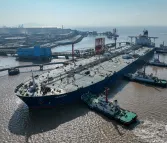
The fallout spread quickly to ​the oil sector. Tanker traffic through the Strait of Hormuz, the narrow waterway between Iran and Oman that carries nearly 20% of global oil supplies, all but ground to a ​halt after at least three vessels were struck.

Although the strait has not been formally closed, around 150 ships were stranded nearby on Monday as operators ⁠avoided entering the Gulf, fearing further attacks or the risk of being trapped inside.

Iran has also targeted ports and energy infrastructure across the region. Saudi Aramco (2222.SE) on Monday shut its largest domestic refinery, ​the 550,000-barrel-per-day (bpd) Ras Tanura plant, after a drone strike.

Qatar, the world’s second‑largest producer of liquefied natural gas, halted LNG output at its giant Ras Laffan facility following attacks. European benchmark gas prices surged by as ​much as nearly 50% on the news.

If this disruption lasts only a few days, the global oil market can likely absorb the blow. Global supply is relatively ample thanks to elevated production across the world, and several major consumers, including China and the U.S., could tap strategic reserves to cushion shortages and temper price spikes.

But if the conflict persists, the scale of the backlog could become daunting.

TIME IS RUNNING OUT

With the Strait of Hormuz effectively closed, the clock is ticking.

Roughly ​15 million bpd of crude and more than 4 million bpd of refined products, including gasoline, diesel and jet fuel, normally leave the Middle East through the strait.

If the war isn’t wrapped up quickly, ​producers will soon be forced to divert crude into onshore storage once tankers fill up. While the region has extensive storage facilities, they can probably only accommodate several days of normal exports if flows remain blocked.

Saudi Arabia currently ‌holds around ⁠82 million barrels of crude oil in onshore storage, representing 56% of capacity, according to Augustin Prate, analyst at Kayrros. With production of 10 million bpd and exports of around 7 million bpd, the remaining storage could fill within 10 days.

Meanwhile, the United Arab Emirates and Kuwait have 34 million and 28 million barrels in storage, respectively, the equivalent of more than 40% of capacity in both cases, according to Prate.

Saudi Arabia may be able to ease some pressure by diverting exports to the Red Sea port of Yanbu via a pipeline that can carry around 5 million bpd.

The UAE ​also has a 1.5-million-bpd pipeline linking it to ​the Fujairah storage terminal located beyond the ⁠Strait of Hormuz.

But both pipelines are already in use, meaning their capacity to carry extra oil is probably limited.

The duration of the conflict remains the key unknown. U.S. President Donald Trump said over the weekend that military operations could last at least four weeks. The Republican president, who has pledged to ​fight the high cost of living at home, is likely to deploy every available tool - including the U.S. Navy - to keep oil prices ​in check by securing shipping ⁠lanes.

That effort, however, is far from guaranteed to succeed. Insurers and shipowners are likely to remain cautious long after any formal assurances, limiting flows even if naval escorts are in place.

The closure of the Strait of Hormuz has long been viewed as the energy market’s worst‑case scenario. The longer the route remains clogged, the greater the strain on Middle East producers, who could ultimately be forced to curtail output ⁠as storage fills ​up.

That, in turn, would transform what markets are currently treating as a temporary shock into a far more durable challenge ​for the global oil system.

(The opinions expressed here are those of the author, a columnist for Reuters)

Enjoying this column? Check out Reuters Open Interest (ROI), your essential new source for global financial commentary. Follow ROI on LinkedIn, and X.

And listen to the Morning Bid daily podcast ​on Apple, Spotify, or the Reuters app. Subscribe to hear Reuters journalists discuss the biggest news in markets and finance seven days a week.

  • Topic
  • MIDEAST
  • CRISIS/OIL (ROI, COLUMN, GRAPHICS, PIX)
Facebook Twitter Google+ LinkedIn Pinterest
Previous article Greek crews fight wildfire northwest of Athens for fourth day

Related Posts

Commodities
August 3rd, 2026

Greek crews fight wildfire northwest of Athens for fourth day

Commodities
June 2nd, 2026

Dangote refinery can be global jet fuel supplier, CEO says

Commodities
June 2nd, 2026

Asia's imports of US crude surge, but can't offset Hormuz losses

Commodities
June 1st, 2026

US gasoline market set for fresh test after near-record stock draws

Commodities
June 1st, 2026

China's crude oil imports slump, but it's economics not altruism

Commodities
May 29th, 2026

Mapping the Market: Gold approaches potential crossroads 

The Wire
Aug 21st 22 h ago
Government

Trump administration moves to end attorney group's law scho...

Aug 21st 22 h ago
Africa

First migrants buried in Spain's Ceuta after deadly border ...

Aug 21st 22 h ago
Americas

Lula, Trump discuss tariffs in phone call, Brazil says

Aug 21st 22 h ago
World

US plans $725 million payment towards its large UN debt

Aug 21st 23 h ago
Middle East

NATO members discuss Strait of Hormuz options without allia...

TRENDING ON FINANCETIME
Aug 21st, 2026 Americas

Mexican governor accused by US of cartel ties returns to office

Aug 21st, 2026 Middle East

Turkey to seek Interpol notice for Netanyahu in Gaza flotilla case

Aug 21st, 2026 Litigation

Explainer: Why is Trump talking about the Keystone XL oil pipeline?

Aug 21st, 2026 Wealth

Guggenheim fund hits 17-year low after short-seller claims

Aug 21st, 2026 Wealth

Ken Griffin's Citadel sheds over $4 billion of Situational Awareness' bets

Markets-Sectors
ENERGY -0.20%
FINANCIALS +0.93%
TECHNOLOGY +0.14%

  • BUSINESS
  • MARKETS
  • WORLD
  • POLITICS
  • TECH
  • COMMENTARY
  • BREAKINGVIEWS
  • MONEY
  • LIFE
  • SECTORS
  • Back to top
FinanceTime
FinanceTime

World Business & Financial News, Breaking US & International News

Additional Services
  • Privacy-Policy
  • Terms and Conditions
© Financetime.org 2026. All rights reserved. Hosted by LeadsDeposit.com
Produced by C-iT