Every Friday, Reuters Open Interest (ROI) distills the financial week into five key charts, spotlighting the major trends, surprises and overlooked moves that defined the past five days.
1. $40 TRILLION DEEP
MIKE DOLAN, ROI Finance & Markets Columnist: Total U.S. government debt, including that held by the Federal Reserve and other government bodies, hit $40 trillion this week — roughly double its level a decade ago. The government is now spending about $1 trillion a year on debt servicing alone.
Unless Washington addresses this mounting debt burden, bond market ructions like those seen this week could become more frequent. Treasury Secretary Scott Bessent sought to soothe markets on Wednesday with a plan for increased bond buybacks, but the immediate relief following the announcement has already proved fleeting. He's now said that even more buybacks could be coming, but any positive market response is unlikely to stick as long as investors remain uncertain about the country's fiscal trajectory, inflation outlook and monetary-policy stance.
2. MIND THE CRACK
RON BOUSSO, ROI Energy Columnist: The conflict in the Gulf showed no sign of easing this week: The U.S. and Iran stepped up their rhetoric, and traffic through the Strait of Hormuz remained limited, pushing up oil prices yet again. But Brent crude is up only about 25% from pre-conflict levels, versus gains of more than 70% for European diesel and roughly 60% for U.S. gasoline.
As a result, European diesel refining margins — or cracks — have more than tripled since February to above $75 a barrel, while U.S. margins have jumped more than 140%, hitting a record $100 this week.
This gap between crude and refined products reflects the former's adaptability — and the relatively limited workarounds for a refining industry that has suffered significant damage.
3. TERM PREMIUM TREMOR
JAMIE MCGEEVER, ROI Markets Columnist: The "term premium" refers to the extra compensation investors demand for holding long-dated Treasuries instead of rolling over short-dated U.S. government debt. When it rises sharply, policymakers should be worried, as it reflects concerns about fiscal sustainability and long-term inflation control.
It has risen sharply lately, and this week flirted with its highest level in 12 years. Policymakers are on high alert.
4. POLLING NADIR
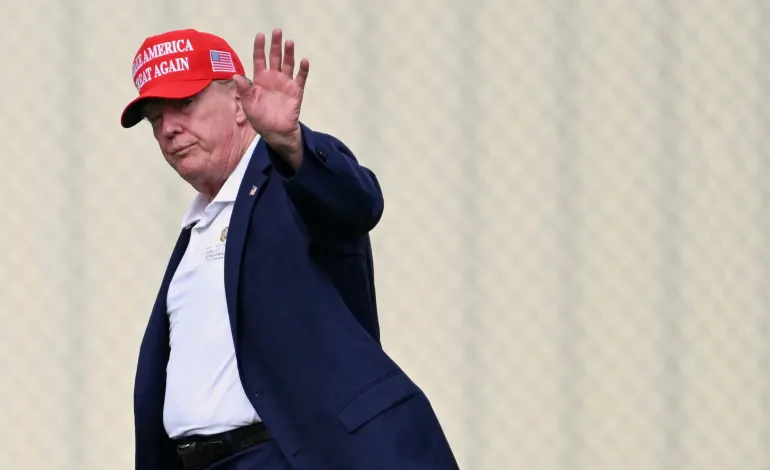
ANNA SZYMANSKI, ROI Editor-in-Charge: U.S. President Donald Trump's approval rating recently slumped to 33%, according to a Reuters/Ipsos poll. That's the lowest level of his second term and matches the nadir hit during his first trip to the White House. It's also down from 47% at the beginning of his second term.
The unpopularity of the war in Iran — particularly the impact on gasoline prices — certainly isn't helping. As November's midterm elections approach, the pressure on the president is likely to increase, potentially shrinking Trump's degrees of freedom as he pursues his trade and foreign policy agendas.
5. THE LITTLE REACTORS THAT COULD?
GAVIN MAGUIRE, ROI Global Energy Transition Columnist: Every energy transition develops a favorite underdog. In the U.S. race to build enough clean, reliable electricity, small modular reactors (SMRs) are increasingly claiming that role.
The technology remains largely unproven commercially, and significant hurdles remain. Yet a combination of rising power demand, supportive policy, regulatory reform and growing investor interest has transformed SMRs from a speculative concept into what may be nuclear power's strongest growth opportunity.
Opinions expressed are those of the authors. They do not reflect the views of Reuters News, which, under the Trust Principles, is committed to integrity, independence, and freedom from bias.